Germinating Hot Pepper Seeds
Germinating hot pepper seeds is a little different from germinating sweet peppers, at least in my experience. And the more exotic the pepper, the more particular they may be about sprouting.
Here are some tips for growing hot chile peppers from seeds.
Peppers Like it Hot!
While you can coax sweet and bell peppers to germinate in a moderate soil of 70-75 degrees Fahrenheit, the chile peppers like their roots warmer…sometimes much warmer! In fact, some of the hottest of the peppers — like habanero, jolokia and scotch bonnet — prefer soil temperatures of 85 degrees or more before raising their little heads.
If you’re lucky enough to be gardening in a warm climate where the soil is already 80 degrees or more, you’ll likely be able to get the seeds to sprout. If you’re like the vast majority of us, those hot pepper seeds will need a little help. Even I need help in S. Florida during the winter and early spring!
Have They Spouted Yet?
Another trait hot peppers like jalapenos, cayenne, datil and more share is a long germination time. While sweet peppers can spring above ground within 7 to 10 days, hot peppers tend to take longer. Sometimes a lot longer!
I’ve found that most of my hot peppers sprout within a 12 to 18 day period. However, the very hottest can take up to a month (and boy, is the wait ever hard).
Help for Germinating Hot Pepper Seeds
Warmth is the biggest key in successfully germinating the chile pepper seeds. If you have a very warm spot in your home, like on a radiator, you may be good to go. For the rest of us, a seed germination mat is the best way to safely and gently warm the soil.
Something else I’ve found very useful, which surprised me in my trials, is using Terracycle
Between the heat mat and the Terracycle, I’ve been able to shave time off the normal germination period, between 2 and 7 days. That may not sound like a lot earlier, but for anyone who’s (impatiently) waiting, any time saved is helpful.
One thing you don’t need for germination is light — seeds germinate fine in the dark. However, once the seeds have germinated, you’ll need to ensure the seedlings get 12 to 16 hours of light a day. A sunny windowsill is great, but I’ve also found that using fluorescent light bulbs works well (especially when I run out of space on my windowsills). 🙂
If you are looking for a seed germination mat, here are some for your consideration. Happy hot peppers!!!
Chile Pepper Seeds
It’s been quite cool here in South Florida during January, and now we’re set to get more near-freezing weather this week — it doesn’t bode well for chile peppers! I’ve got one out in the garden already — Thai Hot — but none of my other chile seeds (except for Pretty Purple Pepper) have germinated. My sweet peppers, on the other hand, have pretty much all germinated fine.
Hmm.
The Need for Heat
Thinking that warmth may be the issue (it’s been awfully cool inside the house as well), I decided to spring for a new seed germination heating pad. If you’re not familiar with them, they provide a gentle heat to the bottom of the seed tray. Think of these as heating pads for seeds!
Note: you cannot use a regular “people” heating pad to warm your seeds — they are not designed to operate 24/7 and the seed germination pads are. If you use a regular heating pad, you risk starting a fire (or at the very least developing hot spots and give too much heat to the little seeds).
Now my new one is about 20″ x 10″ in size, and I can put two of my 8″ x 8″ trays on it with room to spare. I generally like only only do smaller trays, in cycles. That way, while one tray is sprouted and enjoying the grow lights, I can be starting another set.
Today’s Chile Pepper Seeds
Some of today’s seeds are new (I just bought them recently) and some are from 10 years ago — treasured seeds that I can’t help but try and grow again.
The new seeds are:Â Cambuci Hot, Jalapeno M, mustard habanero, Peter Pepper and Bhut Jolokia.
The older seeds are: Tam Jalapeno, Jaloro, Hot-Banero and Brazilian Rainbow. The last two especially, since they were both from saved seed in my garden. Hot-Banero was the absolute hottest pepper I have ever grown and Brazilian Rainbow is rare. I’d love to see how my Hot-Banero stacks up against Mustard Habanero and Bhut Jolokia!
Unfortunately, it’s going to be awhile before I really can expect any “action” from my plantings. Chile seeds seem to take quite a bit longer than sweet peppers, so I’m thinking it will be around Valentine’s Day before I see the first of the chiles popping their heads above ground.
Germinating pepper seeds isn’t really hard, except for the waiting part. But given my weather of late, I’d have to wait to plant them even if they were already sprouted and grown enough.
How Long Do Pepper Plants Live?
How long do pepper plants live, anyway? Are they annuals, perennials or somewhere in between? Can you grow them indoors in the winter? Let’s take a look at the life of a pepper plant.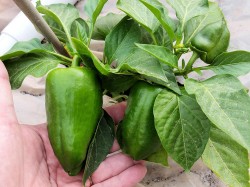
Note: In the years since I have written this post I have had more experiences with keeping pepper plants going — here’s my new post. (Read this one first, though, because it has additional information.)
Pepper Types (Species)
There are five main species of peppers:
- Capsicum annuum:Â Includes bell, sweet and many standard chile peppers like ancho, jalapeno, cayenne and more.
- Capsicum chinense:Â Includes datil, habanero and scotch bonnet peppers.
- Capsicum frutescens:Â Includes tabasco and thai peppers.
- Capsicum pubescens:Â Includes the South American rocoto peppers.
- Capsicum baccatum:Â Includes the aji peppers.
It’s important to know the species, as some are longer-lived than others. All pepper plants can be grown as annuals, but a few species can be perennial, provided they are in very warm, tropical climates.
There’s one pepper that seems to be cross-species, and that is the naga / bhut jolokia pepper. Originally called Capsicum frutescens, DNA testing has found some Capsicum chinense genes as well.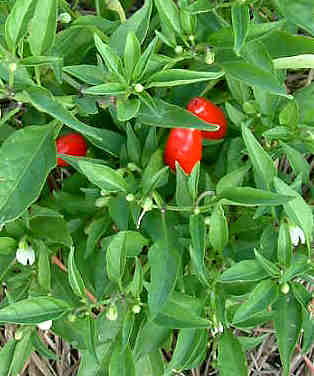
Capsicum Chinense as a Perennial
The Capsicum chinense peppers can live several years, providing they are in a warm climate. In theory, this means you can grow this species in a warm greenhouse as a perennial.
I’ve grown habaneros almost perennially here in South Florida, but I’m afraid that some of our cold snaps have done them in. This year I am trying habaneros and datils in containers, so that I can move them into the house (well, garage at any rate) when the temperatures fall below 45 degrees.
Capsicum Annuum
Your average pepper plant belonging to the species Capsicum annuum is generally grown as an annual. Although I have had some pretty long-lived jalapenos, they eventually get woody and die off.
I’ve never tried pruning a jalapeno, though, to see if I can revitalize it — that’s something I’ll have to try this year.
Although you really can’t grow them as a true perennial, Capsicum annuum can have an extended season. If you’re growing your pepper(s) in a container, you can try moving them indoors when the weather cools down. Just keep in mind that your pepper still needs plenty of sunlight; without sunlight, all the warmth in the world won’t extend your pepper’s life. That may mean a combination of south-facing window along with some supplemental light (grow lights).
Other Pepper Species
The same general rules apply to the other species; they need warmth and plenty of sunlight in order to keep growing. In their native tropical environments, the plants can live multiple years. But even in South Florida, they won’t necessarily live all year around — we do get chilly weather, and even as I write this, I’m expecting freezing temperatures tomorrow night.
So how long do pepper plants live? While they may not be perennial in the sense of living years on end, there are varieties that can grow several years — if you have the right climate.
Additional Reading
You might enjoy these related posts on peppers: