Growing Peppers From Seeds
Growing peppers from seeds isn’t as hard as you might think. The absolute hardest part is waiting for the seeds to germinate and poke their little heads above ground! (Well, that’s the hardest part for me, at any rate.) 🙂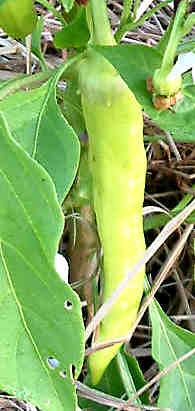
So let’s take a look at what needs to happen in order to grow pepper plants from seeds.
Pick Your Pepper (Seeds)
First is to consider your climate, and where you plan to grow your pepper plants. Pepper plants love sunlight and warmth, so if you live in the Pacific Northwest, you’re a bit more challenged than someone who lives in the desert Southwest or Deep South.
If you live in a cooler climate, pick plants that produce peppers early in the season. It will take longer for the peppers to grow and mature, so an early season pepper is best. For sweet peppers, you may want to take a look at sweet banana peppers
(Note: You don’t have to live in the Pacific Northwest to enjoy this pepper — you can grow it about anywhere.)
One further note about the Pacific Northwest climate is that hot chile peppers won’t get as hot where you live, compared to if you grew them in a warmer climate. Not sure why that happens, but be aware of it. Of course, deppending on the variety, they can be pretty hot anyway!
OK, say you live in a moderate climate; congratulations, you can grow about anything! If you have a fairly short Summer, you may want to stick with the earlier varieties (less than 60 days from transplant). But if you have a longer Summer, take your pick! One early-to-mid season bell which ripend to red that I like is called
Keystone bell pepper
If you’re looking for a neat hot chili pepper to grow that produces and produces and then produces some more, think about Jalapeno M
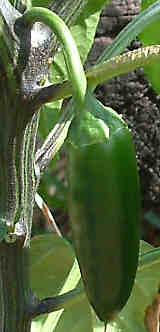 Every time I have grown jalapenos, the plants have produced beyond expectations. I’ve always had plenty to eat, and plenty to share with family, friends and neighbors. In fact, one plant (planted in the garden in a large hole filled with compost) had so many peppers I almost considered selling them (the peppers, that is). It grew huge and was covered with jalapenos.
OK, so most of my jalapeno plants didn’t go to quite those lengths, but each one has produced plenty of peppers for eating and sharing.
OK, you’re in the really southern climates with long summers and mild winters. You can grow just about anything as well, but hot chile peppers in particular love the climate. Of course, being a hot, hot, hot pepper lover, I choose habaneros and scotch bonnets. A nice one is Hot Paper Lantern habanero
A word of warning for those of you who live in super-hot climates with strong summer sun — think about growing your peppers in dappled shade, or so they don’t get full sun from about noon to three. Living in South Florida, my summertime peppers do much better if they aren’t in full sun during the hottest part of the day.
And if anyone wants to check out more pepper seeds, take a look at this link for all kinds of pepper seeds
To Be Continued…
This post has gotten longer than I had planned, so here’s part two of growing peppers from seeds, with the actual planting instructions.